Top Water Damage Restoration in Glide, OR, 97443 | Compare & Call

There are 6 water damage restoration companies server in Glide OR

O So Kleen Cleaning Service
O So Kleen Cleaning Service has been a trusted name in Hermiston, Oregon, providing professional carpet cleaning, damage restoration, and general contracting services. Fully licensed, bonded, and insu...
B.D. Enterprises, LLC is a locally owned and operated service provider serving the Hermiston, Oregon area. Our team specializes in damage restoration, junk removal, and hauling, offering practical sol...
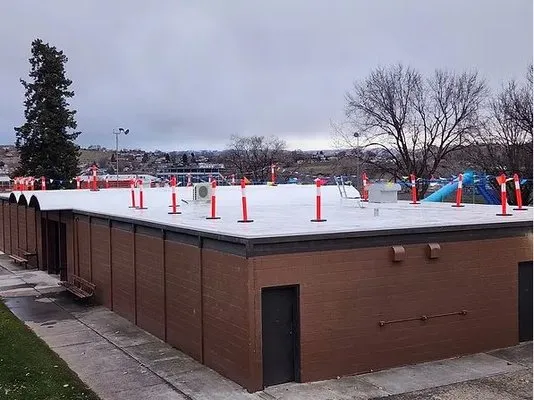
EBC Services, operated by Eagle Basin Contracting, LLC (CCB#244062), brings 35 years of roofing and restoration experience to Pendleton, OR. As a fully licensed general contractor, the company special...
One Call Restoration is a licensed damage restoration company serving La Grande, OR, and the surrounding areas. Specializing in water, fire, wind, and mold damage, the team holds IICRC certifications ...
ServiceMaster Janitorial Services
ServiceMaster Janitorial Services has been a trusted name in commercial cleaning and restoration for over 65 years, with more than 1,200 locations nationwide. In Cove, Oregon, we bring that experience...

Busy Bee Carpet Upholstery & Air Duct Cleaning
Busy Bee Carpet Upholstery & Air Duct Cleaning has been a trusted name in Wallowa County since 1987. Founded by Jon, who brought his family's cleaning expertise from LaGrande to Enterprise, the busine...
Estimated Water Damage Restoration Costs in Glide, OR
Q&A
Why is lead testing required before you tear out my wet wall?
Homes built before 1978, like many in the Glide Rural District, are presumed to contain lead-based paint. Federal EPA Renovation, Repair, and Painting (RRP) law mandates lead-safe work practices for any activity that disturbs painted surfaces. Our protocol requires mandatory testing before demolition. Non-compliance can result in significant fines from the Douglas County Building Division and create a secondary, regulated hazardous material release.
What's the difference between a 'Clean' and 'Grey' water claim, and can my smart home devices help?
Category 1 ('Clean') water is from a sanitary source, like a supply line. Your described event is Category 2 ('Grey') water, which contains significant contamination and requires antimicrobial treatment. Insurance platforms now recognize IoT leak sensors (e.g., Moen Flo) that provide instant alerts, limiting damage. In Oregon, this can qualify for a 5-8% premium credit. Proper categorization and documentation directly impact coverage and approved mitigation scope.
What should I do the second I discover a major leak?
Your first action is to stop the water. Locate and shut off the main water valve. This is the single most critical step in 'loss of use' mitigation. For properties near Colliding Rivers Park, knowing this valve's location is essential due to potential pressure variances. Then, contact your utility provider to secure the meter. This creates a documented start time for the incident and limits continuing damage, which is vital for your claim.
How fast can a crew respond to an emergency in Glide?
Our emergency response protocol for the Glide Rural District prioritizes a 35-45 minute arrival for Category 2 or 3 water events. Our dispatch routing from the Colliding Rivers Park area utilizes OR-138 for the most direct access. We stage equipment accordingly. The clock for the 48-72 hour mitigation window starts at intrusion discovery; our logistics are designed to initiate the S500 drying protocol within that critical timeframe.
Why does my floor in Glide feel dry but your meters say it's still wet?
Surface 'dryness' is deceptive. The IICRC S500 standard for structural drying in the Glide Rural District requires reaching an equilibrium moisture content, measured as 40 Grains Per Pound (GPP) at 70°F. This psychrometric standard accounts for vapor pressure, the force driving moisture from wood and concrete into your air. Stopping at 'dry to touch' leaves a vapor drive that will fuel mold and rot inside wall cavities.
Does living in a FEMA Flood Zone change how you dry my home?
Yes, definitively. Glide is largely in Zone AE, a high-risk flood zone. The 2026 FEMA Risk MAP updates emphasize rapid, aggressive structural drying for flood-saturated materials. Protocols for basements and crawlspaces here must account for prolonged saturation and potential groundwater intrusion, often requiring specialized negative-pressure drying systems and longer dehumidification cycles to meet the S500 dry standard and prevent systemic failure.
How quickly must I act on a water leak to prevent mold?
The microbial growth window is 48-72 hours from initial intrusion. In 2026, insurance carriers and third-party administrators have formalized this timeline. If documented mitigation does not begin within this window, liability for subsequent mold contamination can shift from the 'sudden and accidental' water loss to a 'maintenance' issue, potentially jeopardizing coverage. The standard of care is immediate professional intervention.
What documentation is required for my insurance adjuster in 2026?
2026 claims require forensic-level documentation. This includes GPS-tagged and timestamped moisture maps, OCR-readable moisture meter logs, and psychrometric data logs. This digital chain of custody is uploaded directly to platforms like Xactimate to validate the standard of care and secure approval. Without this, adjusters in Oregon are increasingly likely to question drying protocols and disallow portions of the claim.
