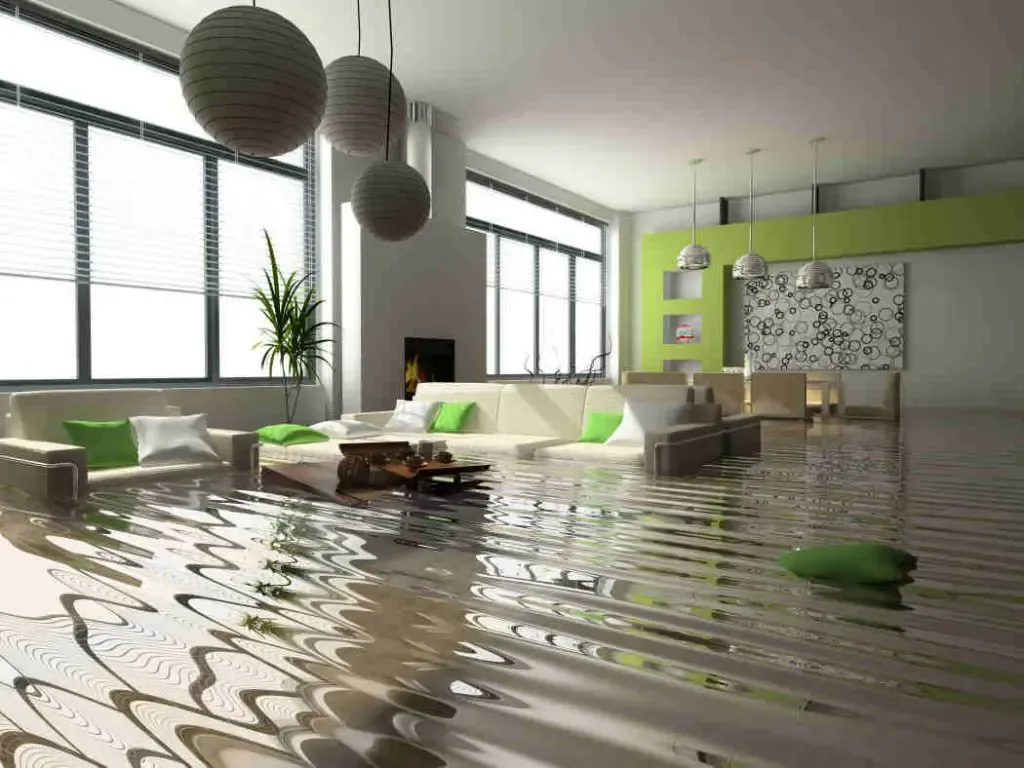
Water Damage Restoration Services
24/7 Emergency Water Extraction, Structural Drying, and Mold Prevention
Fast professional response for burst pipes, ceiling leaks, flooding, storm intrusion, and hidden moisture damage. Our certified restoration crews use industrial extraction equipment, thermal imaging diagnostics, and advanced dehumidification systems to stop structural deterioration before costly secondary damage develops.
Water Damage Restoration Near Me: Process, Costs, and When to Call a Pro
Quick Summary: When dealing with water intrusion, acting quickly is the only way to avoid structural rot and expensive secondary damage. This guide explains the exact threshold of when you can safely clean up a leak yourself, how professionals locate and extract hidden moisture, and the real-world timelines and costs you can expect for a successful dryout.
Do I need a water restoration company?
You need a professional water restoration company if standing water has saturated porous structural materials for more than 48 hours or if the water source is highly contaminated. Minor surface spills can be dried independently, but deep structural water intrusion requires industrial extraction to prevent potentially hazardous mold contamination.
Many property owners attempt to dry out severe leaks using standard residential fans to avoid professional mitigation fees, frequently resulting in catastrophic structural failure. For example, a homeowner discovered an upstairs bathroom leak that completely soaked the drywall, insulation, and hardwood flooring across two entire rooms. Instead of calling an emergency mitigation team, they rented three hardware store fans for roughly $180 and ran them for a week. Because the outer surfaces felt dry to the touch, they incorrectly assumed the property was completely safe.
In reality, gallons of water remained trapped deep within the subfloor and wall cavities out of reach of ordinary air movement. Within seven days, extensive microbial growth colonized the damp wall studs, the premium hardwood floors warped beyond repair, and a large portion of the ceiling below completely collapsed under the weight of trapped water. While professional extraction and moisture mapping would have originally cost between $2,500 and $4,000, the delayed DIY attempt resulted in an $18,000 disaster encompassing mold remediation, total flooring replacement, structural rebuilding, and temporary hotel stays. (Note: Mitigation and repair costs vary significantly based on your region, the extent of the damage, and your specific homeowners insurance coverage.)
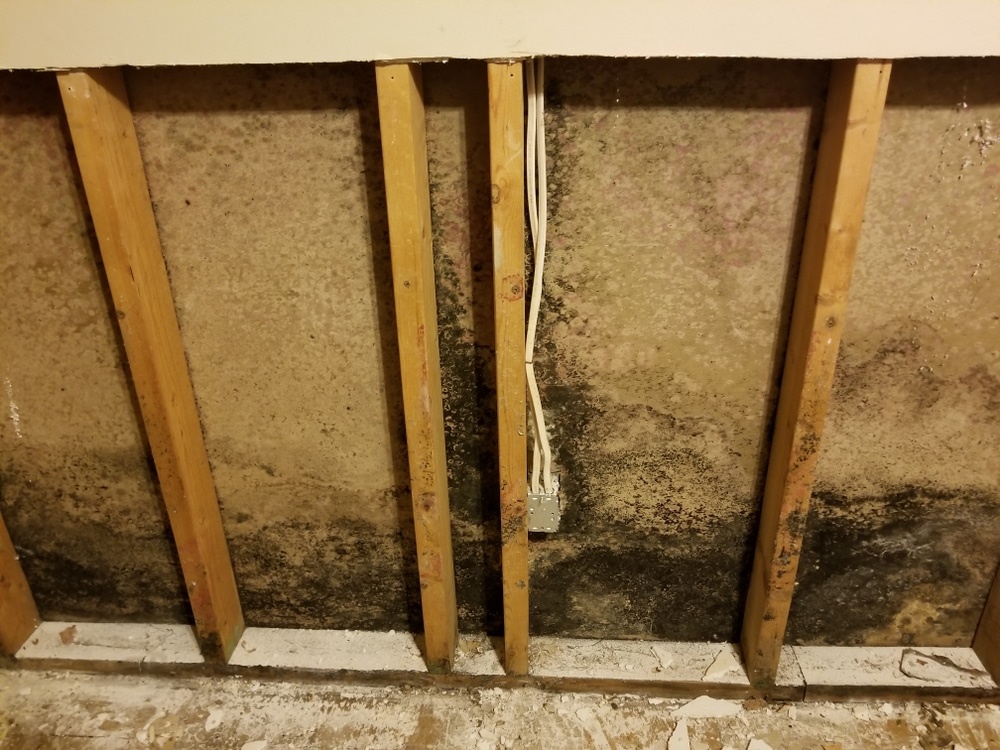
The primary hazard of water damage is not the water you can see, but the hidden moisture tracking along structural framing. To avoid these hidden costs, property owners must implement validated safe cleaning protocols as soon as water breaches structural boundaries to evaluate exactly which materials can be salvaged.
What is the typical process for water damage restoration?
The water damage restoration process follows a strict sequence of moisture mapping, heavy water extraction, structural cavity drying, and controlled dehumidification. This proven workflow rapidly draws out deeply trapped moisture from building components before secondary rot can develop.
True water mitigation relies on identifying hidden moisture pathways rather than guesswork. A homeowner recently requested assistance for a faint, persistent musty odor in their dining room despite having no visible water stains, discoloration, or active plumbing leaks. Using a FLIR thermal imaging camera, our diagnostics technician immediately identified a distinct cool vertical pattern dropping from the ceiling line to the baseboard, signaling active evaporative cooling from hidden moisture.
Specialized moisture meter testing quickly verified the crisis: while the unaffected drywall measured a safe 11% moisture content, the hidden damp section spiked to 34%, and the lower baseboard trim exceeded 36% saturation. Because the moisture map localized the exact coordinates of the pinhole leak in a copper supply line, the crew executed a minimal two-foot flood cut rather than tearing down the entire room. They deployed direct-injection cavity drying systems to save the remaining walls, completing the entire repair for under $4,000.
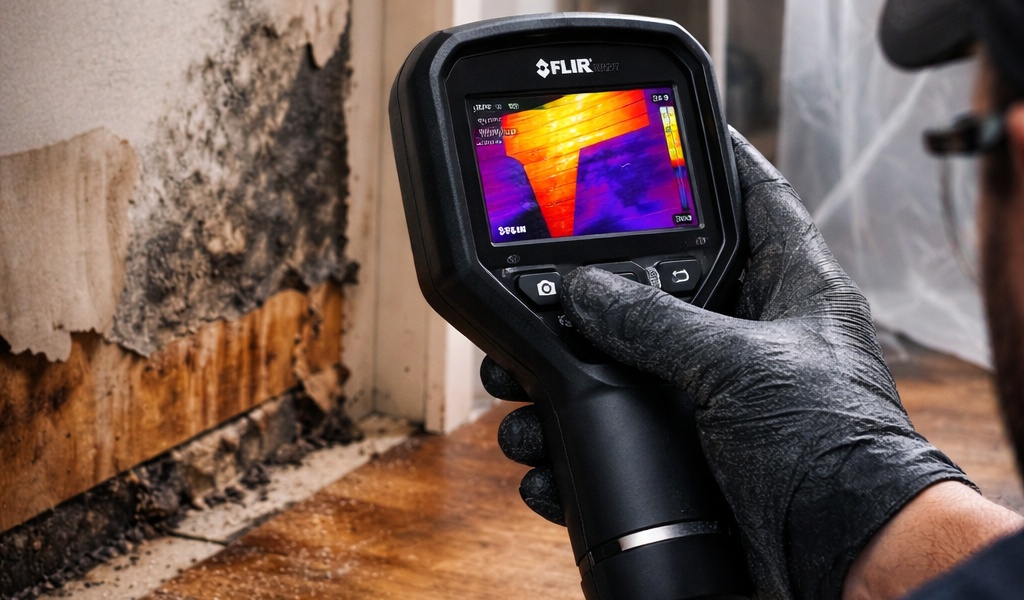
Adhering to the scientific necessity of dehumidification and temperature control ensures that trapped structural moisture is actively drawn into the air stream and condensed, rather than allowing ambient humidity to fuel microbial growth on the backside of building materials.
How long does it usually take for a workflow/dryout to get reviewed and completed?
A standard structural dryout requires approximately 48 to 72 hours to complete initial stabilization and review. However, deep-saturation drying of dense structural assemblies can take 7 to 10 days depending on the specific water absorption classification of the materials.
The duration of a commercial dryout is strictly governed by material density and total moisture load. A classic example involved an overnight refrigerator supply-line burst that flooded 900 square feet of solid white oak hardwood floors over a historic diagonal pine subfloor and multi-coat lime lath-and-plaster walls. Initial inspection showed the hardwood at a dangerous 38% moisture content with severe cupping across the planks, while the plaster walls hit 100% relative moisture value. To save these irreplaceable historical materials without a full gut-rehab, the mitigation team initiated an aggressive 9-day (216-hour) continuous drying protocol.
During the first 4 hours, technicians pulled the baseboards and extracted standing water using a weighted subfloor vacuum. Over the next three days, they sealed a high-pressure Rescue Mat System to the oak floors and used an Injectidry system to pump heated air straight into the plaster wall voids. By day five, a heavy-duty dehumidifier dropped the relative humidity below 15%, creating an ultra-dry environment that forced deeply bound water out of the oak pores. By day nine, the wood dropped to a perfect 9.5% moisture content, naturally flattening out the cupped planks and saving the homeowner a $22,000 replacement bill.
Understanding the unique classification of water absorption rates enables restoration experts to manipulate environmental conditions, adjust air movement, and dry dense materials in place safely without default demolition.
Structural Material Drying Profiles
| Material Type | Baseline Saturated Wetness | Target Dry Standard | Average Drying Duration | Primary Equipment Utilized |
|---|---|---|---|---|
| Standard Drywall | 25% – 30% MC | < 12% MC | 3 Days (72 Hours) | Axial Air Movers, Low-Grain Refrigerant Dehumidifiers |
| Solid White Oak Hardwood | 38% MC | 9% – 10% MC | 9 Days (216 Hours) | Sealed Rescue Vacuum Mats, Commercial Dehumidifiers, Target Heat |
| Historical Lath-and-Plaster | 100% RMV | < 15% RMV | 6 Days (144 Hours) | Cavity Air-Injectors, Axial Air Movers, Dehumidification Systems |
Frequently Asked Questions
Does homeowners insurance cover water damage restoration? Homeowners insurance typically covers sudden and accidental water damage, such as a water heater burst or a broken supply line. It generally excludes gradual damage caused by long-term unresolved leaks, lack of maintenance, or regional ground flooding.
Can I live in my home during the structural drying process? You can remain in your home if the water source is completely clean (Category 1) and the drying equipment can be isolated to an unused room. If the loss involves sewage contamination, heavy mold growth, or if the noise of commercial dehumidifiers disrupts your sleep, temporary relocation is recommended.
What is the difference between water mitigation and restoration? Water mitigation focuses on stopping active damage through immediate water extraction, structural drying, and stabilization of the property. Water restoration refers to the subsequent rebuilding phase where ruined materials like drywall and flooring are replaced to return the home to pre-loss condition.
Why must structural drying equipment run continuously overnight? Restoration equipment must run 24/7 to maintain the constant dry airflow required to pull deep moisture out of structural wood and plaster. Turning equipment off at night allows the air to reach equilibrium, causing moisture to settle back into building materials and accelerating mold development.
