Top Water Damage Restoration in Sacaton, AZ, 85147 | Compare & Call
There are 101 water damage restoration companies server in Sacaton AZ

Best Option Restoration
Best Option Restoration, located in Mesa, AZ, is a family-owned, IICRC-certified restoration company specializing in water damage, fire damage, mold remediation, biohazard cleanup, and environmental a...
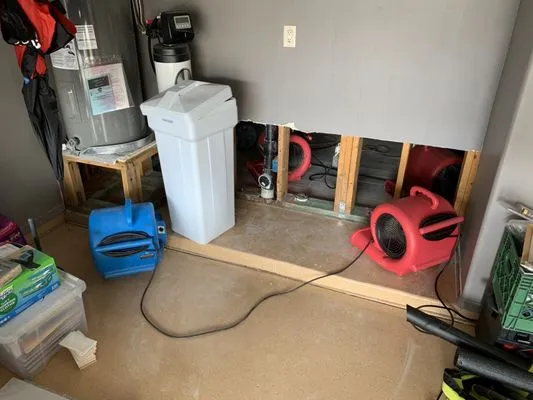
Disaster Services - Apache Junction
Disaster Services - Apache Junction has been helping residents and businesses in Apache Junction, AZ, recover from unexpected property damage since 2015. With 10 years of experience, we specialize in ...

911 Restoration of Mesa
911 Restoration of Mesa is an IICRC-certified damage restoration company serving Mesa, AZ, and the surrounding areas. We specialize in water, fire, and mold remediation, as well as environmental abate...

Beehive Restoration, founded by Trevin Waite, brings a unique advantage to Gilbert homeowners. With nearly a decade in restoration and experience as a former insurance adjuster and agent, Trevin provi...

Star 48 Restoration
Star 48 Restoration is a licensed, bonded, and insured damage restoration company based in Gilbert, AZ, with over 10 years of hands-on experience. We specialize in water damage from leaks or flooding,...

Disaster Restoration, LLC
Disaster Restoration, LLC provides 24/7 damage restoration services to Gilbert, AZ, and the surrounding East Valley. As experienced general contractors, we handle fire, water, and mold damage, as well...

Dry Guys Restoration is a full-service restoration company serving Mesa, AZ, and the surrounding areas. Operating 24 hours a day, 365 days a year, we hold a general contractor’s license to manage comp...

Align Restoration has been serving Gilbert, AZ, as a trusted damage restoration company since earning the Best of Gilbert award for Water Damage Restoration Service in 2022. We specialize in biohazard...

AZ Flood Cleanup Guys
AZ Flood Cleanup Guys started as a small carpet cleaning business in Mesa and has grown into a trusted provider of water damage restoration, flood cleanup, emergency water extraction, mold remediation...

Radar Restoration is a full-service damage restoration company based in Chandler, AZ, serving both residential and commercial properties. As an IICRC certified firm, we specialize in 24-hour emergency...
Estimated Water Damage Restoration Costs in Sacaton, AZ
Common Questions
My home was built around 1990. Do I need lead or asbestos testing before water-damaged materials are removed?
Yes. The EPA's Renovation, Repair, and Painting (RRP) rule mandates lead-safe practices for any structure built before the 1978 cutoff. For asbestos, the cutoff is often 1975. While your 1990 Sacaton Village home likely does not contain these materials, the Gila River Indian Community Department of Community Development and the S500 standard of care require a certified inspection before demolition of any suspect material. Proceeding without testing can result in significant regulatory penalties and health hazards.
We're in Flood Zone X. Do I still need special drying protocols for my basement?
Yes. While Zone X in Sacaton denotes a minimal flood hazard, the 2026 FEMA Risk MAP updates emphasize that all below-grade spaces are inherently prone to moisture intrusion and vapor drive. Standard drying protocols for basements and crawlspaces in Zone X must account for elevated groundwater tables and capillary action. This often requires extended drying times, sub-slab ventilation, and vapor barrier installation to meet the 45 GPP standard and prevent chronic moisture issues.
My floor feels dry to the touch after a leak. Why isn't it considered dry for restoration?
Surface dryness is deceptive. The IICRC S500 standard requires drying to a specific psychrometric equilibrium. In Sacaton, we measure the air's moisture content in Grains Per Pound (GPP). The standard for a 70°F environment is 45 GPP. Higher vapor pressure within materials like concrete or drywall will force moisture back to the surface, causing hidden damage. Professional drying uses meters to verify the entire assembly meets this GPP standard, not just the surface.
What specific documentation is required for my insurance claim in 2026?
2026 adjusters require forensic-level documentation. This includes GPS-tagged and timestamped moisture maps, OCR-readable digital logs from hygrometers and moisture meters, and sequential thermal imaging. This data must be uploaded in real-time to claims platforms to validate the drying process. Without this chain of custody, proving the S500 standard of care was met in Sacaton is difficult, and reimbursement for drying services is at risk of denial.
How quickly does mold become a problem after a water leak?
Under ideal conditions, microbial growth can initiate within the 48-72 hour window following an intrusion. By 2026, insurance carriers and legal standards view this timeline as a critical liability threshold. If professional mitigation documented with timestamped logs does not begin within this window, property owners in Sacaton Village may face denied claims for subsequent mold remediation, as it is considered a failure to mitigate under the policy's duty clause.
How fast can a restoration team get to my home in Sacaton Village for an emergency?
Our emergency response protocol dispatches a crew within minutes of your call. From our staging at the Gila River Indian Community Governance Center, we take the I-10 access route directly into Sacaton Village. Given traffic and road conditions, our target arrival window for a confirmed emergency is 35-45 minutes. This rapid response is critical to act within the 48-72 hour mold growth window and begin the documentation and extraction process.
What's the difference between 'clean' and 'grey' water in an insurance claim, and how can I lower my premium?
Category 1 ('Clean') water is from a sanitary source. Your incident involves Category 2 ('Grey') water, which contains significant contamination and requires antimicrobial treatment. Category 3 ('Black') water is grossly contaminated. Insurance platforms like Xactimate price these categories differently. Arizona insurers now offer a 5-8% premium credit for homes with IoT leak sensors (e.g., Moen Flo). These devices provide immediate alerts, limiting water volume and damage severity, which directly reduces claim costs.
What is the first thing I should do when I discover a major water leak?
Immediately initiate a 'loss of use' mitigation by stopping the water source. This means locating and shutting off the main water valve. For residents near the Gila River Indian Community Governance Center, know your valve's location beforehand. Then, contact your utility provider to confirm the shut-off. This rapid action limits the volume of Category 2 water released, directly reducing the extent of damage and the complexity—and cost—of the restoration process.
